Natural Color Blue Diamonds

Natural blue diamonds are among the rarest colored diamonds in the world. From delicate light blue diamonds to richly saturated Fancy Blue stones, every natural blue diamond has its own distinctive hue, character and history.

Langerman Diamonds specialises exclusively in natural color diamonds. Explore our collection of loose blue diamonds for sale, including Sky Blue, Steel Blue, Indigo, Peacock and Turquoise stones in a range of cuts and carat weights.

Every diamond in our collection is naturally colored, carefully selected and untreated. Browse the available blue diamonds below, or contact our team if you are searching for a particular color, shape, size or intensity.

You can also explore our blue diamond buying guide for more detailed advice on choosing a natural blue diamond.

Natural Color Blue Diamonds

Discover Your Perfect Natural Blue Diamond

Whether you are looking for a loose blue diamond for a bespoke piece of jewelry, a distinctive engagement ring or a rare addition to a collection, the right stone depends on much more than carat weight alone.

Color intensity, hue, cut, clarity and size can all influence how a blue diamond looks and how rare it is.

With more than 50 years of experience working with natural color diamonds, Langerman helps clients compare these characteristics and find diamonds suited to their individual preferences.

Browse our current blue diamonds for sale above, or speak with our specialists if you would like help sourcing a particular stone.

What Is a Natural Blue Diamond?

A natural blue diamond is a diamond whose blue color formed naturally within the Earth.

In many blue diamonds, trace amounts of boron become incorporated into the diamond's crystal structure during formation. This affects the way the stone absorbs and reflects light, producing its characteristic blue appearance.

Natural blue diamonds should not be confused with diamonds whose color has been artificially altered through treatment, or with lab-grown blue diamonds.

Langerman deals exclusively in natural color diamonds. The blue color of the stones within this collection has therefore developed naturally rather than being created through artificial treatment.

Why Are Blue Diamonds So Rare?

Natural blue diamonds are exceptionally scarce because the geological conditions required to produce their color occur only rarely.

Most diamonds form without the trace elements needed to create a strong blue hue. Diamonds displaying attractive natural blue coloration therefore represent only a very small proportion of naturally occurring diamonds.

Rarity also increases as color becomes stronger, purer or more unusual. Large natural blue diamonds with intense saturation can be particularly difficult to find.

This scarcity is one reason why blue diamonds are sought after by collectors, jewelers and buyers looking for an unusual natural gemstone.

Natural Blue Diamond Colors and Shades

Blue diamonds occur across a surprisingly varied spectrum. Some appear pale and icy, while others display deep or complex combinations of blue, gray and green.

Langerman's collection includes natural blue diamonds in shades such as:

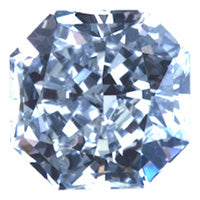
  • Sky Blue – a soft, pale blue with a light and delicate appearance.
  • Blue – a balanced, classic blue hue suitable for a wide range of settings.
  • Steel Blue – a cooler blue often accompanied by subtle gray undertones.
  • Indigo – a deeper, darker blue with greater visual intensity.
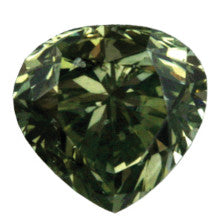
  • Peacock – a distinctive blend of blue and green tones.
  • Turquoise – a brighter blue-green shade reminiscent of tropical water.

Because natural color develops differently within every diamond, even stones within the same broad shade can vary considerably in tone and saturation.

Blue Diamond Color Grades and Intensity

Color is one of the most important characteristics used when evaluating a natural blue diamond.
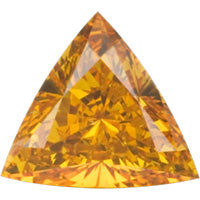
A Fancy Blue diamond generally displays a stronger concentration of blue than stones graded Light or Fancy Light.

Fancy Intense Blue diamonds show greater saturation again, while Fancy Vivid stones can display exceptionally strong and vibrant color.

Intensity is not the only consideration. The exact hue and any secondary colors also influence the overall appearance of a diamond. Blue diamonds may contain gray, green or other modifying tones, resulting in highly individual stones.

The cut of the diamond can also affect how strongly its color appears. In natural color diamonds, cutters may choose proportions that help preserve or enhance visible saturation rather than focusing solely on the cutting conventions commonly associated with colorless diamonds.

What Determines the Price of a Blue Diamond?

There is no single price per carat for natural blue diamonds.

The value of a blue diamond can vary considerably depending on:

  • Color intensity: stronger Fancy, Fancy Intense and Fancy Vivid colors can be particularly rare.
  • Hue: diamonds with attractive or highly sought-after color combinations may command a premium.
  • Carat weight: larger natural blue diamonds are substantially more difficult to find.
  • Cut: a well-chosen cut can enhance the appearance and distribution of color.
  • Clarity: clarity can influence value, although color is often the dominant consideration for fancy color diamonds.
  • Rarity: unusual combinations of size, color and intensity can make individual stones particularly desirable.

Two blue diamonds of the same carat weight may therefore have very different values.

The collection above allows you to compare currently available blue diamonds by characteristics such as size, shape, shade and price. For guidance on a specific stone or budget, contact Langerman Diamonds.

Choosing a Loose Blue Diamond

Loose blue diamonds allow you to choose the stone before deciding how it will be set.

When comparing stones, consider:

Color

Decide whether you prefer a lighter, brighter blue or a deeper and more saturated stone. Secondary hues can also dramatically change the overall appearance.

Carat weight

Larger natural blue diamonds are particularly scarce, but visual impact also depends on cut and proportions rather than carat weight alone.

Shape

Different diamond shapes distribute light and color differently. Some cuts can emphasise saturation, while others create a lighter or more brilliant appearance.

Intended setting

A diamond intended for an engagement ring may require different practical considerations from a collector's stone or a diamond intended for a pendant or earrings.

Our specialists can help you compare available stones or source a natural blue diamond matching particular requirements.

Blue Diamonds for Engagement Rings and Fine Jewelry

Natural blue diamonds can be used in engagement rings, necklaces, earrings and other bespoke diamond jewelry.

Their rarity makes them particularly suited to designs where the center stone is intended to be distinctive.

A blue diamond can be set on its own or paired with colorless diamonds to create contrast. Depending on the shade of the stone, different precious metals can also change how its color is perceived.

Because every natural blue diamond is unique, choosing the loose diamond first can provide greater control over the final appearance of a bespoke piece.

Contact our team if you would like to discuss using one of our blue diamonds in a bespoke jewelry design.

Blue Diamonds vs. Sapphires

Blue diamonds and blue sapphires can display superficially similar colors, but they are very different gemstones.

Natural blue diamonds are considerably rarer than blue sapphires and have different optical properties, grading considerations and market characteristics.

Read our full guide to blue diamonds vs. sapphires for a more detailed comparison.

Property Blue Diamond Blue Sapphire
Composition Carbon, sometimes containing trace boron Corundum, with trace elements contributing to color
Hardness (Mohs) 10 9
Appearance High brilliance and dispersion Typically a softer, more velvety appearance
Rarity Extremely rare More widely available
Color From pale and gray-blue to intense, greenish or deep blue Typically blue through violet-blue
Optical character Strong brilliance and fire/td> Rich color with lower dispersion

Why Choose Langerman?

Langerman Diamonds has specialised in natural color diamonds for more than 50 years.

When you buy a blue diamond from Langerman, you benefit from:

  • Natural color only – we specialise in naturally colored diamonds rather than treated or lab-grown alternatives.
  • Expert selection – each stone is assessed individually for its color, rarity and character.
  • A broad spectrum of shades – our inventory includes everything from subtle Sky Blue stones to darker and more unusual hues.
  • Personal guidance – our specialists can help you compare color, cut, carat weight and other characteristics.
  • Diamond sourcing – if the stone you are looking for is not currently available, our team can discuss your requirements and assist with sourcing.
FAQs about Natural Color Blue Diamonds

What Makes a Diamond Blue?

Natural blue diamonds usually obtain their color from trace elements incorporated into the diamond while it forms deep within the Earth. Boron is commonly associated with natural blue coloration because it affects the way the diamond absorbs light.

Are Blue Diamonds Naturally Blue?

They can be. Genuine natural blue diamonds develop their color naturally during formation. However, diamonds can also be artificially treated to produce blue coloration, and blue lab-grown diamonds are also available. Langerman specialises in natural color diamonds.

Are Blue Diamonds Rare? 

Yes. Natural blue diamonds are exceptionally rare, particularly in larger sizes or with strong, attractive color saturation. Fancy Intense and Fancy Vivid blue diamonds can be especially difficult to find.

What is a Fancy Blue Diamond?

Fancy Blue is a color intensity grade used for diamonds whose blue color is stronger than grades such as Light or Fancy Light. Higher intensity classifications can include Fancy Intense and Fancy Vivid.

How Much Does a Natural Blue Diamond Cost?

There is no fixed price for a natural blue diamond. Value depends on factors including color intensity, hue, carat weight, cut, clarity and rarity. Larger diamonds with strong natural blue coloration can command significant premiums.
Can Blue Diamonds Be Used in Engagement Rings?

Yes. Natural blue diamonds can make distinctive center stones for engagement rings. Their durability, brilliance and rarity make them particularly suited to one-of-a-kind designs.

Do You Sell Treated or Lab-grown Blue Diamonds?

No. Langerman Diamonds specialises in natural color diamonds. The diamonds within this collection are selected for their naturally occurring color rather than color produced through treatment.

Explore More Natural Color Diamonds

Blue is just one part of the natural color diamond spectrum.

Explore our All Natural Colored Diamonds collection to discover pink, yellow, green, orange, brown, violet and other naturally occurring colors.

Every natural color diamond has its own combination of hue, intensity, cut and character, making each stone unique.

Looking for a Particular Blue Diamond?

If you are searching for a specific blue diamond, our specialists can help you compare available stones or discuss sourcing options.

Whether you are looking for a light blue diamond, a Fancy Blue diamond, a larger collector's stone or a diamond for bespoke jewelry, contact Langerman Diamonds to discuss your requirements.

Contact Us

At Langerman Diamonds, we offer a personalized service and the finest quality diamonds to our clients. If you want to find a blue diamond to your collection, or for investment, we're here to assist. Get in touch with us today to explore our exquisite collection.