Natural Color Brown Diamonds

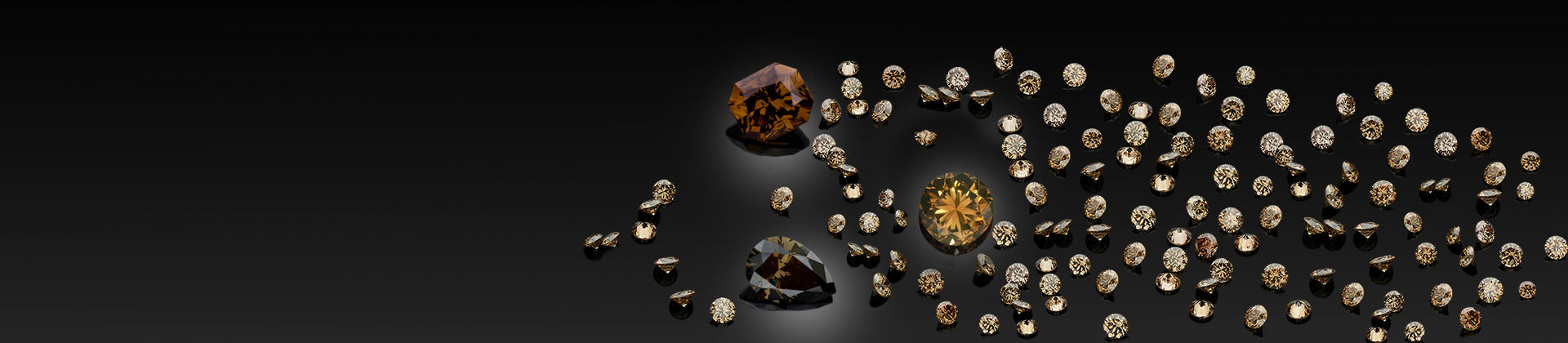
Natural brown diamonds exude a rich, earthy warmth that feels both unique and captivating. They appear in a variety of shades—Chocolate, Coffee, Cinnamon, Cognac, and Champagne—each with its own distinct appeal. 

Not sure where to start? Browse our brown diamond buying guide.

Natural Color Brown Diamonds

Browse Natural Color Brown Diamonds

Find Your Perfect Diamond

At Langerman Diamonds, we offer an exclusive selection of natural color brown diamonds, carefully sourced and graded to highlight their unique beauty. Whether you’re looking for a diamond for a chocolate color diamond ring, a cognac diamond for your next design, or an investment-grade brown diamond, we can help you find the perfect match.

Learn more about the origins and characteristics of different diamond colors in our comprehensive diamond encyclopedia.

Are you interested in our natural brown diamonds? Want to explore more of our all-natural colored diamonds? Please don't hesitate to contact us.

If you want a bit of inspiration, check out our brown diamond buying guide.

Why choose a natural brown color diamond?

Brown diamonds are chosen for their balance of rarity, warmth, and value.

  • Offer a distinctive alternative to white diamonds 
  • Available across a wide spectrum of tones and intensities 
  • Often more affordable than pink, blue, or green diamonds 
  • Suitable for both jewellery and investment 

Their natural tones make them particularly popular in bespoke jewellery, where subtle variation and individuality are valued.

What is the Difference Between Champagne, Chocolate and Cognac Diamonds?

Champagne, Chocolate, and Cognac diamonds are all varieties of brown diamonds, differentiated by tone and intensity. Understanding these distinctions helps buyers make a more informed and personal choice.

  • Champagne Diamonds
    Champagne diamonds are light, golden-brown stones. Their soft, luminous tone resembles sparkling wine and is especially flattering in jewellery. 
  • Chocolate Color Diamonds
    Chocolate diamonds refer to darker, richer brown tones. The term is widely used in the jewellery industry to describe deep, velvety stones with strong visual impact. 
  • Cognac Diamonds
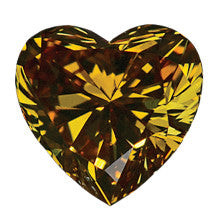
    Cognac diamonds display orange-brown to amber hues. Their color is deeper and more saturated, often associated with warmth and luxury.

If you're ready to start browsing natural brown diamonds, why not start with this Brown Diamond Bishop Hat 0.36 ct Polished or this Brown Diamond Rectangle 3.16 ct Polished?

FAQs about Natural Color Brown Diamonds

What Is A Color​ Diamond?

Color diamonds are those that exhibit a distinct color, such as the various shades of brown. These colors arise from unique combinations of pressure, heat, and trace elements that affect the diamond during its formation. These differ from colored diamonds, which may be treated. Our natural color diamonds are not treated to enhance their color in any way. 

Learn more about the origins and characteristics of different diamond colors in our diamond encyclopedia.

What Is A Natural Brown Diamond?

Natural brown diamonds are genuine, untreated gemstones formed deep within the Earth. Their color ranges from pale beige to deep, almost black hues, shaped by geological forces over millions of years.

Natural brown diamonds are celebrated for their rich, deep hues which range from light to dark brown. These diamonds are often less expensive than their more colorful counterparts, making them an excellent choice for both first-time buyers and seasoned collectors.

How Do Brown Diamonds Get Their Color?

Brown diamonds form their color through structural changes in the diamond during formation, rather than trace elements alone.

Key factors include:

  • Lattice Deformation
    The primary cause of brown color is distortion in the diamond’s crystal lattice, caused by extreme geological pressure. This affects how light passes through the stone. 
  • Nitrogen Impurities
    Nitrogen can influence color depending on how atoms are arranged within the lattice. 
  • Natural Radiation
    Low-level radiation exposure can subtly alter the crystal structure and contribute to color variation. 
  • Heat and Pressure
    The extreme conditions under which diamonds form can intensify or modify brown tones.

Are Brown Diamonds Valuable?

Yes, natural brown diamonds are valuable, particularly those with strong color intensity, even distribution, or rare secondary hues such as pink or orange.

Their value is determined by the same principles as other diamonds:

  • Color intensity and uniformity 
  • Clarity 
  • Cut quality 
  • Carat weight 

Brown diamonds with secondary pink or orange tones are typically more valuable due to their rarity.

While generally more affordable than other color diamonds, high-quality brown diamonds remain highly sought after by collectors and designers.

These variations add depth and complexity to the gem's appearance, enhancing its appeal. Due to their range of hues and more favorable pricing, brown diamonds provide a more accessible entry point into the world of colored diamonds.

Are Brown Diamonds Real Diamonds?
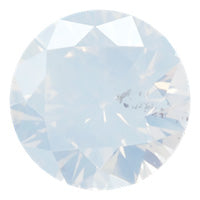
Yes. Natural brown diamonds are 100% real diamonds with naturally occurring color.

They are not treated or enhanced, and their color is the result of natural geological processes. Each stone is unique, both visually and structurally.

What Shades of Brown Diamonds Are There?
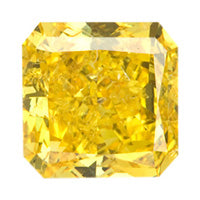
Brown diamonds exist across a wide spectrum of tones, each with its own visual identity.

At Langerman, we classify our brown diamonds into the following categories:

  • Chocolate Color Diamonds
    Deep, rich brown tones with strong saturation and a luxurious appearance. 
  • Coffee Diamonds
    Softer, mid-tone browns with a subtle and refined character. 
  • Cinnamon Diamonds
    Reddish-brown diamonds with a warm, slightly fiery appearance. 
  • Cognac Diamonds
    Deep orange-brown stones with strong color intensity. 
  • Champagne Diamonds
    Light golden-brown diamonds with a soft, elegant tone. 

Each shade offers a different aesthetic, allowing for personal expression and tailored design.

What Are Some Notable Brown Diamonds?

Although not as famous as their pink diamond or blue diamond counterparts, brown diamonds have gained recognition for their beauty and have featured in various high-profile jewelry pieces and collections around the world.

Where Do Brown Diamonds Come From?

Brown diamonds are mined globally, with several key sources known for producing high-quality stones.

  • Australia (Argyle Mine)
    Historically one of the most important sources of brown diamonds, known for consistent production until its closure in 2020. 
  • South Africa and Botswana
    Major diamond-producing regions with a wide range of colors and qualities. 
  • Brazil
    Known for unique and distinctive colored diamonds, often from smaller-scale mining operations. 

At Langerman, each diamond is carefully sourced and selected to ensure quality, authenticity, and origin.

Why are Brown Diamonds popular?

Brown diamonds have grown in popularity due to their unique aesthetic and accessibility.

  • Warm, earthy tones that differ from traditional white diamonds 
  • Wide range of colors suitable for different styles 
  • Strong value compared to other color diamonds 
  • Increasing use in contemporary jewellery design 

They offer a distinctive and sophisticated alternative for buyers seeking something less conventional.

Are Brown Diamonds Good for Investment?

Some brown diamonds, particularly those with strong color intensity or rare secondary hues, can hold investment value. However, value depends on quality, rarity, and market demand.

Are Brown Diamonds Cheaper Than Other Color Diamonds?

In general, brown diamonds are more affordable than pink or blue diamonds, making them an accessible entry point into the color diamond world. If you browse our range of natural color brown diamonds above, you will get an idea of typical prices for these beautiful diamonds.

How Do I Choose The Right Brown Diamond?

The best brown diamond depends on your preferences for tone, intensity, and use. Champagne diamonds offer subtle elegance, while Chocolate and Cognac diamonds provide stronger visual impact. If you are struggling to decide, contact us and our expert team will be more than happy to help.

What is a Desert Diamond?

A “Desert diamond” is not a formal gemological category, but a marketing term popularised by brands such as De Beers to describe a range of natural diamonds in warm, earthy tones. These typically include shades like champagne, cognac, honey, and soft brown, all of which fall within the broader category of natural colour brown diamonds.

The name “Desert diamond” is inspired by the colours of desert landscapes, evoking hues such as sunlit golden sands, and deep sunset tones. It is used to position these diamonds as nature-inspired alternatives to traditional white diamonds. From a gemological perspective, these diamonds are simply natural color diamonds, with their hues caused by structural variations in the crystal lattice rather than chemical impurities.

There might be a call for a Desert Diamond themed blog further down the line based on potential traffic.

Why Choose Langerman Diamonds?

At Langerman Diamonds, we specialise exclusively in natural color diamonds, offering one of the world’s most extensive selections of rare stones.

Whether you are searching for a champagne diamond for a refined jewellery piece, a cognac diamond for a bold design or an investment-grade brown diamond, our team provides expert guidance to help you find the right stone.

Each diamond is carefully sourced, individually assessed by in-house experts and presented with accurate, high-resolution imagery.

Get In Touch

Whether you are in the market to purchase a natural color brown diamond for investment, to add to a collection, or to set in a piece of jewelry, Langerman Diamonds is your ideal partner. Contact us today to explore our exclusive selection and find the brown diamond that speaks to you.