


 New In
 Polished Diamonds
 Diamond Sets
 Melee Diamonds
 Rough Diamonds


Fri, Jan 13, 23
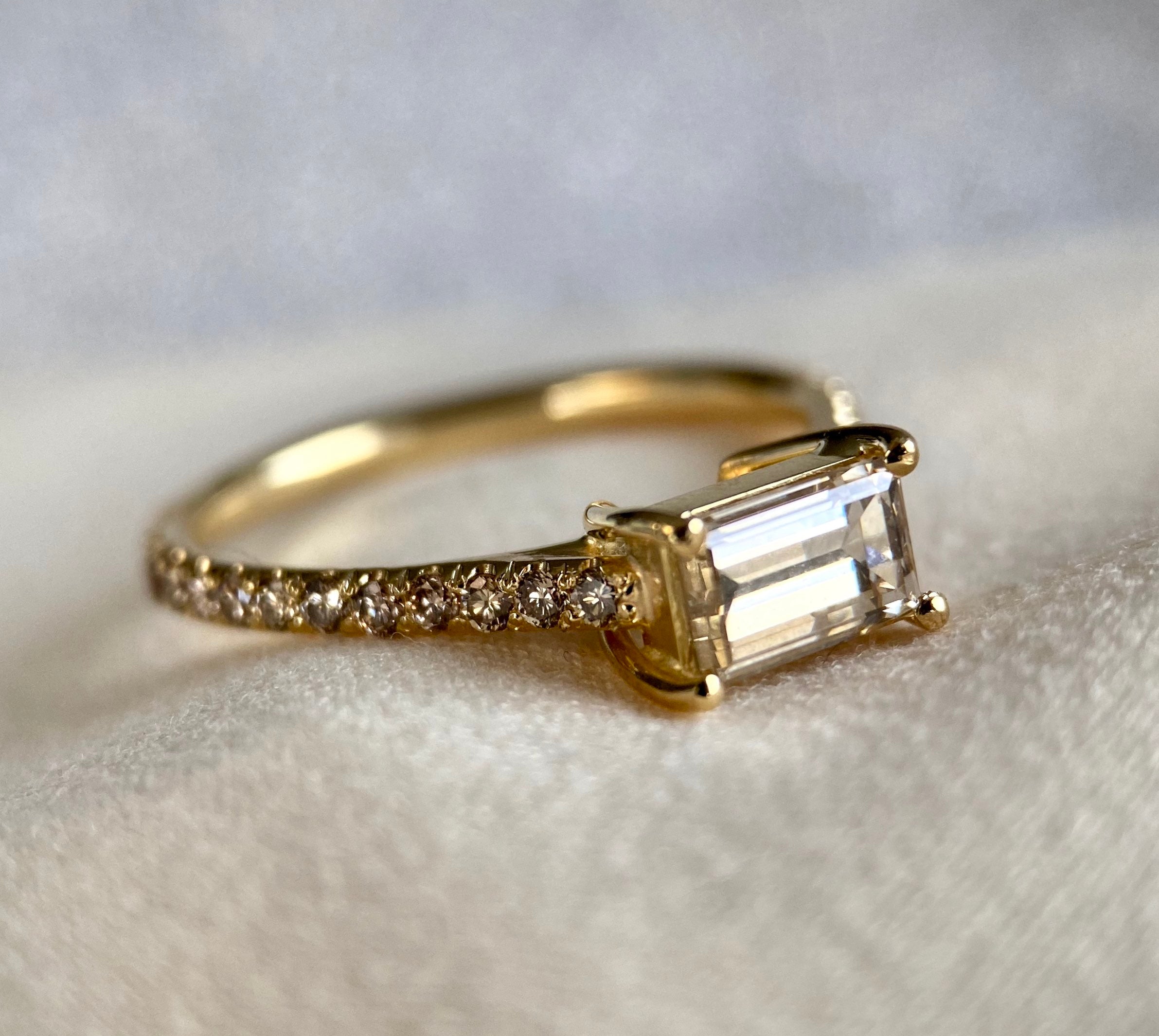
How to Prepare for the Engagement Season



At Langerman Diamonds, we present an exceptional collection of natural fancy color diamonds, spanning an extraordinary spectrum of hues. Among them, natural blue diamonds stand apart for their depth, rarity, and unmistakable presence.
Once reserved for collectors and connoisseurs, blue diamonds have increasingly entered the public eye through record-breaking auctions and iconic jewellery pieces. Today, they represent one of the most sought-after categories within natural color diamonds.
If you would like to browse what is available now, start with our Natural Color Blue Diamonds, or explore blue diamond rings for finished jewellery inspiration.
Natural blue diamonds are diamonds that have a blue hue due to the presence of boron during formation. Unlike other fancy color diamonds, their color is not caused by structural distortion or nitrogen, but by this rare chemical element interacting with light.
Blue diamonds are exceptionally scarce. It is estimated that fewer than one in 200,000 diamonds mined show any noticeable blue color, and truly vivid stones are rarer still.
To understand how color forms across the full spectrum of diamonds, read The Origin of Color.
Blue diamonds owe their color to boron atoms embedded within the diamond’s crystal lattice. These atoms absorb red, yellow, and green wavelengths of light, allowing blue light to dominate what we see.
This process occurs deep within the Earth over millions of years, under highly specific conditions. Because boron is rarely present in diamond formation environments, natural blue diamonds are exceptionally uncommon.
Blue diamonds have historically been sourced from a small number of locations, including:
The now-closed South African mines were known for producing lighter, sky-blue diamonds, while Argyle diamonds often displayed darker, steel or violet-blue tones.
Today, production remains extremely limited, further reinforcing the rarity and long-term value of natural blue diamonds.
Blue diamonds vary significantly in tone, saturation, and hue.
They range from soft, delicate sky blues to deep, ocean-like shades with intense saturation. The most valuable stones typically display a vivid, evenly distributed blue.
Many blue diamonds also exhibit secondary hues, including:
These undertones can either enhance or soften the overall appearance and play a key role in pricing.
At Langerman, we describe our blue diamonds using evocative color names such as Sky, Steel, Indigo, Violet, and Turquoise, helping you better visualise their character and tone.
The value of a blue diamond is determined by the 4 Cs: color, cut, clarity, and carat weight. Among these, color is by far the most important factor.
Even subtle differences in saturation or hue can result in significant price variation.
Tip: If you are investing or prioritising impact, focus on color intensity and even distribution first.
While all four 4Cs matter, color takes precedence in natural blue diamonds. However, the cut plays a crucial role in how that color is perceived.
At Langerman, our polisher works to maximise the visual intensity of each stone. Fancy shapes such as radiant, cushion, pear, and oval cuts are often preferred, as they enhance color saturation more effectively than round cuts.
For darker stones, careful cutting can prevent the diamond from appearing too deep or muted, ensuring a balanced and vibrant result.
Natural blue diamonds have long been considered one of the most stable and desirable segments of the fancy color diamond market. Their rarity, combined with consistent collector demand, has supported long-term value retention.
Data from the Fancy Color Research Foundation (FCRF), which tracks global pricing through its Fancy Color Diamond Index, provides useful context.
Since 2005, the index shows:
This reflects a broader trend where rarity and saturation drive performance, with blue and pink diamonds consistently outperforming more abundant colors.
In more recent data (Q4 2025), blue diamonds recorded a +0.3% quarterly increase, making them the strongest-performing color segment during a period of overall market stability.
At the same time, the data highlights an important nuance: performance is highly selective. The strongest growth is concentrated in:
This reinforces a key principle for buyers and collectors alike. Blue diamonds are not a uniform market. The highest-quality stones continue to attract demand, even during quieter periods.
Disclaimer: This content is intended as general guidance and should not be considered financial advice. The value of natural color diamonds can fluctuate, and purchasing decisions should be made with careful consideration or independent advice.
Weighing 45.52 carats, the Hope Diamond is one of the most famous diamonds in the world. Its deep blue color and long, storied history have made it a symbol of rarity and intrigue. Today, it is housed in the Smithsonian Institution.

This 12.03-carat Fancy Vivid Blue diamond gained global attention in 2015 when it sold for $48.4 million, setting a record price per carat at the time.

A 20.46-carat Fancy Deep Blue diamond from Botswana, the Okavango Blue is one of the most important blue diamonds discovered in recent decades, known for its exceptional clarity and color.

A contemporary design where a natural blue diamond appears suspended within a platinum band, creating a clean and architectural look.

A soft blue diamond surrounded by a halo of smaller stones creates contrast and brilliance, ideal for elegant everyday wear.

Simple stud settings allow the color of the diamonds to take centre stage, offering a refined and timeless aesthetic.

A vivid blue diamond set alongside white accent stones creates a striking contrast, perfect for a bold yet balanced engagement ring.

Yes, blue diamonds are natural diamonds. Their color is caused by boron within the crystal structure.
Yes, they are among the most valuable diamonds in the world, particularly in Fancy Vivid and Fancy Intense grades.
Extremely rare. Only a tiny fraction of mined diamonds display a natural blue color.
Sky blue diamonds are lighter and more delicate, while steel blue diamonds are darker with a more metallic appearance.
Absolutely. Blue diamonds offer a distinctive and luxurious alternative to traditional white diamonds.
Clean with mild soap and water, avoid harsh chemicals, and store separately to prevent scratches.
Explore Langerman’s exclusive collection of natural blue diamonds and create a piece that reflects your style and vision.
To begin your journey, check out our natural blue diamonds for sale.