


 New In
 Polished Diamonds
 Diamond Sets
 Melee Diamonds
 Rough Diamonds


Fri, Jan 13, 23
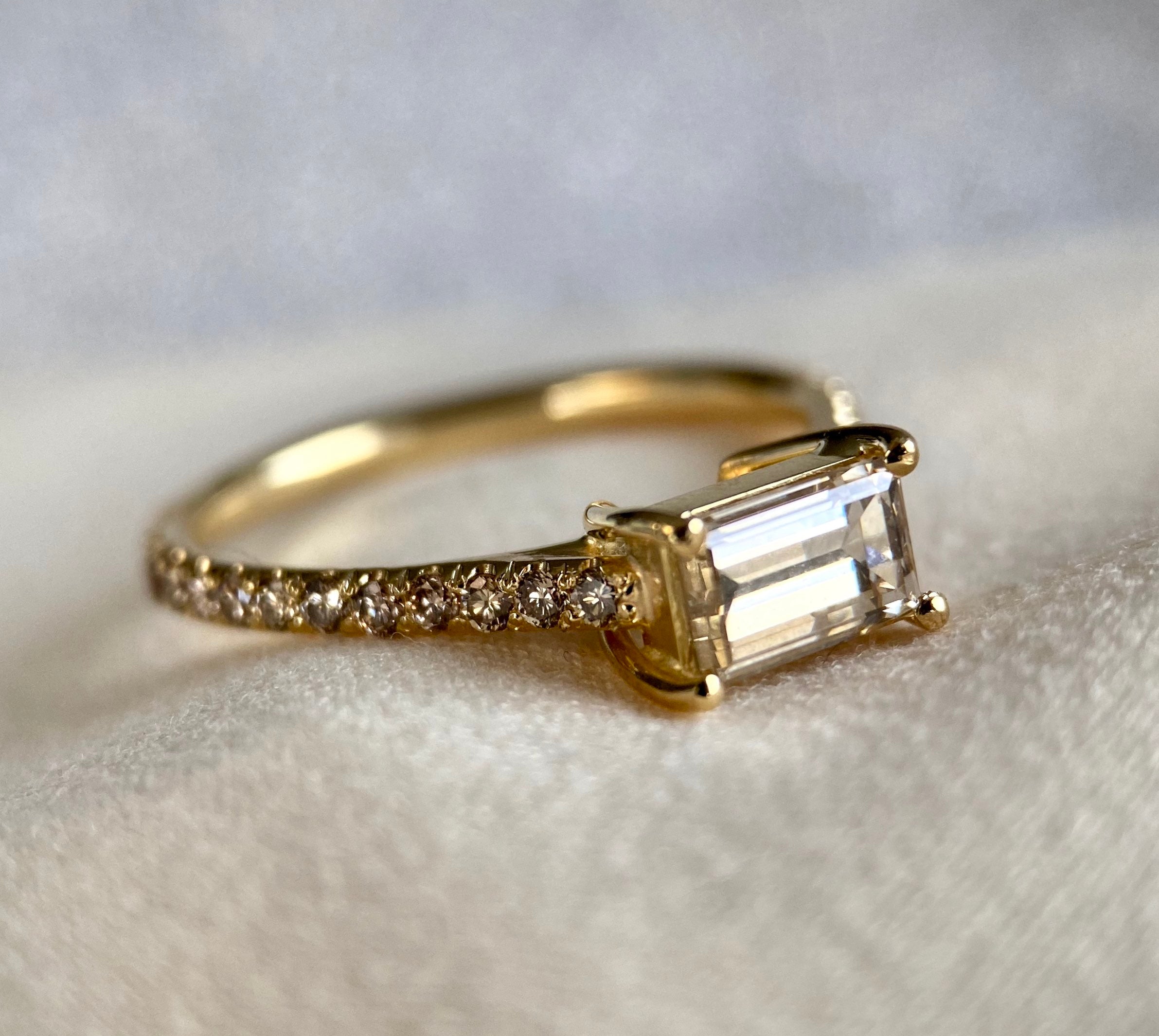
How to Prepare for the Engagement Season



Buying rare diamonds is unlike purchasing a traditional white diamond. Natural color diamonds are valued not only for their beauty, but also for their rarity, individuality, and limited global supply.
Whether you are searching for a vivid pink diamond, a natural blue diamond, or a one-of-a-kind collector’s stone, understanding how to buy rare diamonds is essential in 2026. From certification and color grading to rarity, provenance, and long-term desirability, every detail matters.
This guide explores everything buyers should know before purchasing a rare diamond, including what makes certain stones so valuable, how to identify quality, and what to prioritise when building a collection or choosing a statement piece of jewelry.
Rare diamonds derive their value from a combination of scarcity, natural color, saturation, clarity, and market demand.
Natural color diamonds represent only a tiny fraction of global diamond production, with investment-grade stones forming an even smaller segment of the market. Certain colors, including red, pink, blue, and green diamonds, are exceptionally rare and increasingly difficult to source.
Several factors influence a diamond’s rarity, including its natural color origin, color intensity, even color distribution, carat weight, clarity, shape and cut, provenance, and whether the stone has undergone treatment. In particular, diamonds with strong, vivid color and balanced distribution are typically considered the most desirable and difficult to source. For example, a Fancy Vivid Pink diamond with rich, evenly distributed color is significantly rarer than a lighter or unevenly colored stone.

As collectors increasingly look beyond traditional luxury assets, buying rare diamonds has become more appealing to buyers seeking scarcity, portability, and long-term desirability.
A recent feature by Samantha Silveira for Impact Wealth highlighted how natural color diamonds continue to attract collectors and investors due to their geological scarcity and structurally limited supply.
The article noted that natural color diamonds account for less than 0.01% of global diamond production, while high-quality pink, blue, and green diamonds remain exceptionally scarce following the closure of major mines such as Argyle.
Asked for comment, our founder, Arthur Langerman, said:
“What makes natural color diamonds compelling as an investment is the combination of finite supply, global demand, and a long history of price resilience across economic cycles. Not to mention the fact that they are nature’s true work of art, each a unique breathtaking piece, an investment you can truly appreciate.”
While no luxury asset is guaranteed to increase in value, rarity and sustained global demand continue to support collector interest in natural color diamonds.
When buying rare diamonds, understanding what to prioritise can help buyers make more informed decisions.
Unlike white diamonds, where clarity and cut are often dominant factors, natural color diamonds are primarily valued for the quality and rarity of their color.
Color is usually the most important factor when buying rare diamonds. In many cases, a smaller diamond with exceptional saturation will be significantly more valuable than a larger stone with weaker color.
For pink, blue, and green diamonds in particular, buyers should focus on color saturation, even color distribution, vibrancy, purity of hue, and minimal modifying colors. Diamonds with strong, balanced color and fewer secondary tones are typically considered more desirable and significantly rarer within the natural color diamond market.
Many natural color diamonds contain inclusions, particularly pink and red diamonds. Completely flawless rare diamonds are exceptionally uncommon, and buyers should not automatically prioritise flawless clarity over exceptional color.
In many cases, eye-clean stones with strong color provide the best balance of rarity and visual appeal.
Shape can dramatically affect how color appears within a diamond, with certain cuts enhancing saturation and visual intensity more effectively than others. Shapes such as radiant, cushion, pear, and oval cuts are often favoured for natural color diamonds because they can concentrate and deepen color, helping the diamond appear richer and more vibrant.
Treatments can artificially enhance a diamond’s color, significantly affecting its rarity, value, and collectability. When buying rare diamonds, it is important to verify whether a stone is natural and untreated or if it has undergone processes such as HPHT treatment, irradiation, coating, or fracture filling. Natural untreated diamonds are considerably rarer and are typically far more desirable among collectors and buyers seeking long-term rarity and authenticity.
All of our natural color diamonds are untreated stones, selected for their natural beauty, rarity, and authenticity. Natural untreated diamonds are considerably rarer and are typically far more desirable among collectors and buyers seeking exceptional natural color diamonds.

When evaluating rare natural color diamonds, we generally recommend prioritising color over flawless clarity, along with even color distribution, natural untreated stones, certification from recognised gemological laboratories, and shapes that enhance color intensity. Provenance and overall rarity are often more important than sheer carat weight alone.
For many collectors, the uniqueness, visual impact, and scarcity of a diamond ultimately carry greater significance than technical perfection.
Natural pink diamonds remain among the most desirable diamonds in the world, particularly stones originating from the Argyle Mine. Strong saturation, vivid color, and larger carat weights continue to command exceptional prices due to their scarcity.
Browse our range of pink diamonds.
Natural blue diamonds are prized for their striking color and extreme rarity. Their color forms through traces of boron within the diamond structure, making fine blue diamonds some of the rarest gemstones available.
Browse our range of blue diamonds.
Natural green diamonds derive their color through natural radiation exposure over millions of years. Because treated green diamonds are relatively common, certification is especially important when purchasing natural green diamonds.
Browse our range of green diamonds.
Fancy Vivid Yellow diamonds continue to attract collectors seeking high visual impact and relative accessibility compared to rarer colors such as pink or blue.
Browse our range of yellow diamonds.
Chameleon diamonds temporarily change color when heated or left in darkness, making them one of the most unusual collector categories within the natural color diamond market.
Browse our range of chameleon diamonds.

Many collectors now purchase rare diamonds online, but transparency and expertise are essential.
When buying rare diamonds online, buyers should look for:
At Langerman Diamonds, we help buyers source exceptional natural color diamonds through expert guidance and tailored sourcing support.
Rare diamonds are increasingly chosen for:
Many buyers are drawn to the individuality of natural color diamonds, with no two stones appearing exactly alike.
Their rarity and emotional significance make them particularly appealing for highly personal jewelry.

Buying rare diamonds requires careful research, trusted expertise, and a deep understanding of what truly drives rarity, desirability, and long-term appeal. At Langerman Diamonds, we specialise exclusively in natural untreated color diamonds, We help collectors, investors, and jewelry buyers source some of the world’s rarest gemstones.
Natural color diamonds remain among the most extraordinary and fascinating gemstones in existence. Our team can help guide you through the process with expert advice and carefully sourced natural color diamonds.