


 New In
 Polished Diamonds
 Diamond Sets
 Melee Diamonds
 Rough Diamonds


Fri, Jan 13, 23
How to Prepare for the Engagement Season


Diamond jewelry for men has moved from occasional wear to a defined category in modern fine jewellery.
Rings, chains, bracelets and diamond studs are now core pieces, chosen for daily use as often as for milestone gifting.
When selected with intent, a diamond piece becomes more than an accessory. It becomes a lasting object with clear design purpose, material value, and long-term wearability.
Continue reading to learn:
Men’s diamond rings remain the most popular category across luxury and high-street markets because they deliver the clearest impact with the least complexity. A ring is always visible, it does not rely on layering, and it can be styled either as a minimal accent or a statement piece through band width, setting coverage, and silhouette. Chains, diamond bracelets and diamond stud earrings follow closely, largely because they offer flexibility. A chain can be worn alone or with a pendant, a bracelet can balance a watch or stand on its own, and studs add a controlled, consistent detail. Pendants and cufflinks sit in a more formal lane, often chosen for gifting, ceremony, or specific dress codes rather than everyday wear.
Men’s diamond jewellery styles each communicate something slightly different because they sit in different places on the body and interact with clothing in different ways. A ring tends to signal confidence and permanence, a chain reads as personal style, and a bracelet often suggests refinement and attention to detail. Stud earrings usually feel clean and modern, while cufflinks are quietly formal. The best approach is to select one anchor piece based on how you dress and where you will wear it, then build a small rotation around it. This keeps the collection cohesive, reduces styling friction, and ensures each piece has a clear role rather than competing for attention.
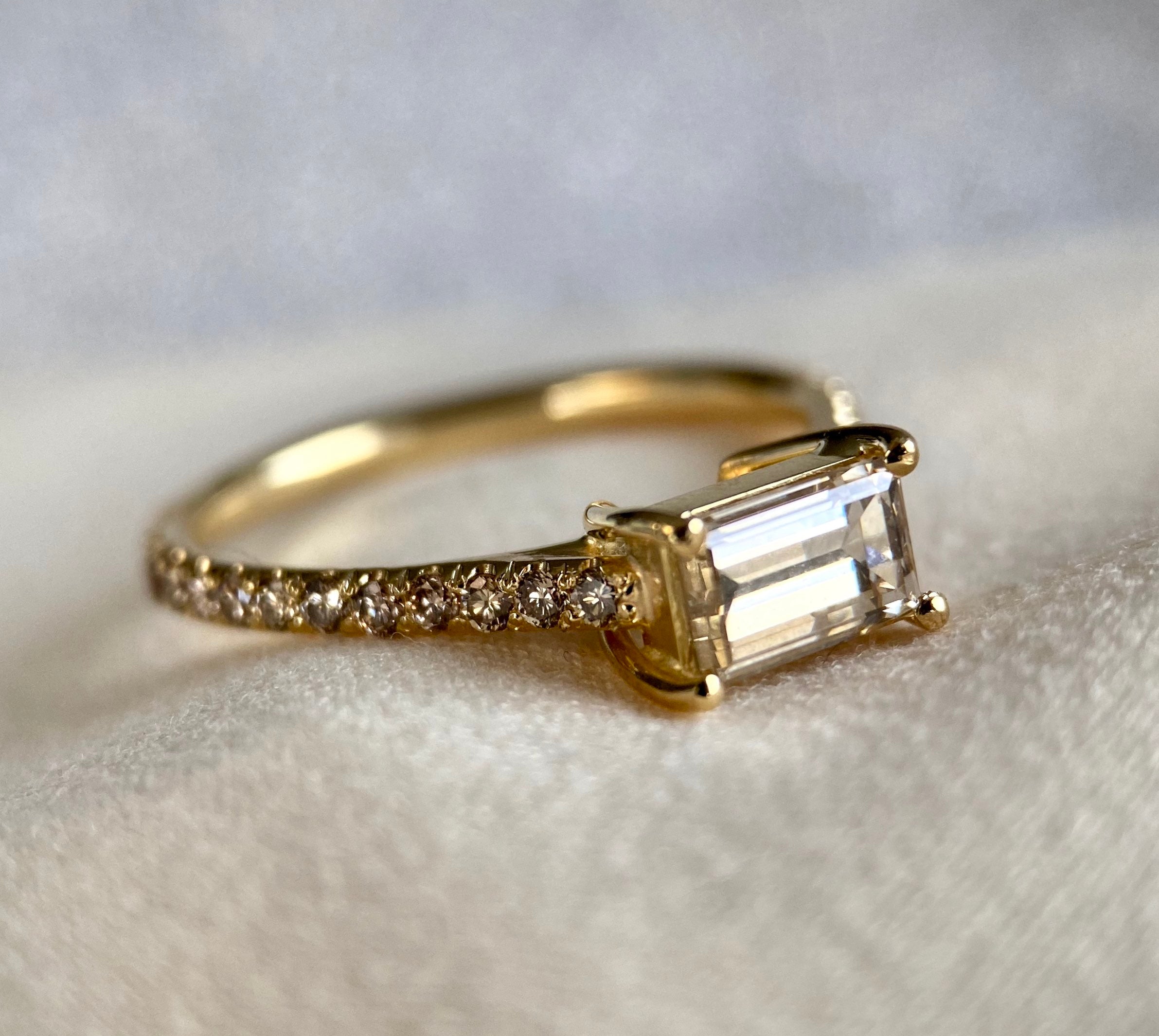
A diamond ring is the most direct way to add structure and presence to a look. Common styles include signet-inspired faces, diamond-accent bands, and clean solitaire designs. For frequent wear, prioritise comfort fit and settings that protect edges and corners, such as this black diamond men’s ring:

Chain jewellery is defined by link type, weight, and proportion. Cuban, curb, rope and box links are popular because they sit flat and layer easily. Diamonds can be used sparingly on a clasp, on a pendant or more fully across panels for a stronger statement. Pendants offer personal symbolism with minimal commitment to a full jewellery rotation. In the example below, this black diamond pendant makes the diamond the focal piece by pairing it with a stark white gold alloy chain:

A diamond bracelet works best when it balances brilliance with durability. Link bracelet designs suit daily wear, while tennis styles like the Black and White Eternity Bracelet below read as more formal. Clasp strength and safety latches matter, especially on heavier pieces.
Diamond studs remain a consistent staple because they are clean and controlled. Round cuts offer classic brightness, while princess, radiant, emerald cuts feel more architectural. Secure backs and symmetry are the key practical checks. In this Purplish Pink diamond stud earring you will see all these factors at work.

Cufflinks provide formal polish and are ideal for gifting when daily wear is not expected. With these brushed yellow gold cufflinks set with natural Champagne diamonds, you can see the diamonds being used as statement pieces.

Cut shapes and settings define both appearance and practicality. They control how the diamond reflects light, and how well the piece holds up to daily movement.
Metal defines the base tone of diamond jewelry for men. It also affects durability, maintenance, and how a diamond’s color presents against the skin.
Choose the metal that fits your wear pattern first, then refine by style preference.
Natural color diamonds allow for the possibility of adding character and differentiation to jewelry pieces.They can be used as a single focal point or as small accents that add character without shifting the design into novelty.
Selecting the right natural color diamond for men’s jewelry is about expressing strength, confidence, and individuality. Compared to traditional white diamonds, natural color diamonds offer a distinctive and masculine appeal that enhances men’s rings, bracelets, pendants, cufflinks, and statement pieces. Below are the most sought-after diamond colors for men’s diamond jewelry, chosen for their timeless style and versatility:
Natural color diamonds combine durability, rarity, and individuality—making them the ideal choice for men’s diamond jewelry that is both expressive and timeless.
Start with how you will wear the piece. Daily wear has different demands to occasional wear, and the design should reflect that from the start. If it will be worn to work, while travelling, or alongside a watch, prioritise low-profile silhouettes and smooth edges. If it is for evenings, formal events, or rotation wear, you can afford more height, surface detail, and stronger diamond presence without compromising practicality.
Then choose the design details that support that use. The setting style is a functional decision as much as a visual one, with bezel and channel settings offering more protection than prominent claws. Proportion matters in the same way. Band width, link thickness, and clasp size affect comfort, balance, and how securely the piece sits on the body. Diamond size and total coverage should be scaled to the structure of the jewellery, not selected in isolation.
This approach prevents common mistakes, including impractical settings and uncomfortable proportions. A ring that sits too high will snag and feel intrusive, even if the diamond is excellent. A bracelet with an underbuilt clasp will become a risk, regardless of how well it looks in photos. When form follows function, the result is jewellery that wears well, maintains its finish, and remains a reliable part of a long-term collection.
A ring or diamond stud is the best place to start because both options are simple, versatile, and easy to wear. A well-proportioned ring adds definition without needing any styling knowledge, and diamond studs sit cleanly in both casual and formal settings.
If you expect daily wear, focus on comfort and security first. Look for a setting with protected edges, a stable build, and a profile that will not snag on clothing or interfere with routine tasks.
Men’s diamond rings are the most popular category because they offer the clearest design impact with minimal effort. Rings work in restrained, minimalist styles, but they also support bolder statement looks through wider bands, structured faces, and higher diamond coverage.
Comfort and wearability come down to fit, band width, and setting profile. A ring that sits too high or feels top-heavy will be worn less, even if the diamonds are strong.
Bezel and channel settings are strong choices for everyday wear because they protect the diamond and reduce snag risk. A bezel surrounds the stone with metal, helping shield edges from knocks, while channel settings sit stones between metal walls, which suits bands and linear designs.
Claw settings can work well, but they are more exposed and should be checked periodically to ensure claws remain tight. For frequent wear, the goal is a setting that stays secure without demanding constant attention.
Yes, natural colored diamonds work especially well when used either as a single focal stone or as controlled accents. Champagne, brown, and yellow tones can look understated and refined, particularly in signet faces, channel rows, and bracelet panels. Blue and green are rarer and often benefit from a more curated approach, where the design allows the color to read clearly without competing details. The key is to use color to add identity.
Care is straightforward, but consistency matters. Clean the piece gently using warm water, mild soap, and a soft brush, then dry it with a lint-free cloth to remove residue that can dull brilliance. Have settings checked periodically, particularly for pavé surfaces, claws, and bracelet clasps, because these areas experience the most movement and wear. Store pieces separately to reduce scratching and avoid impact or harsh chemicals that can damage finishes and weaken settings over time.
Natural color diamonds add distinction without relying on novelty, especially in rings, bracelet panels, and understated pendants, where the color reads as a deliberate design choice. For a curated approach, natural fancy color allows you to introduce character while keeping the silhouette clean and wearable over time.
For guidance on diamond selection and design options, speak with our team via our contact page.