


 New In
 Polished Diamonds
 Diamond Sets
 Melee Diamonds
 Rough Diamonds


Fri, Jan 13, 23
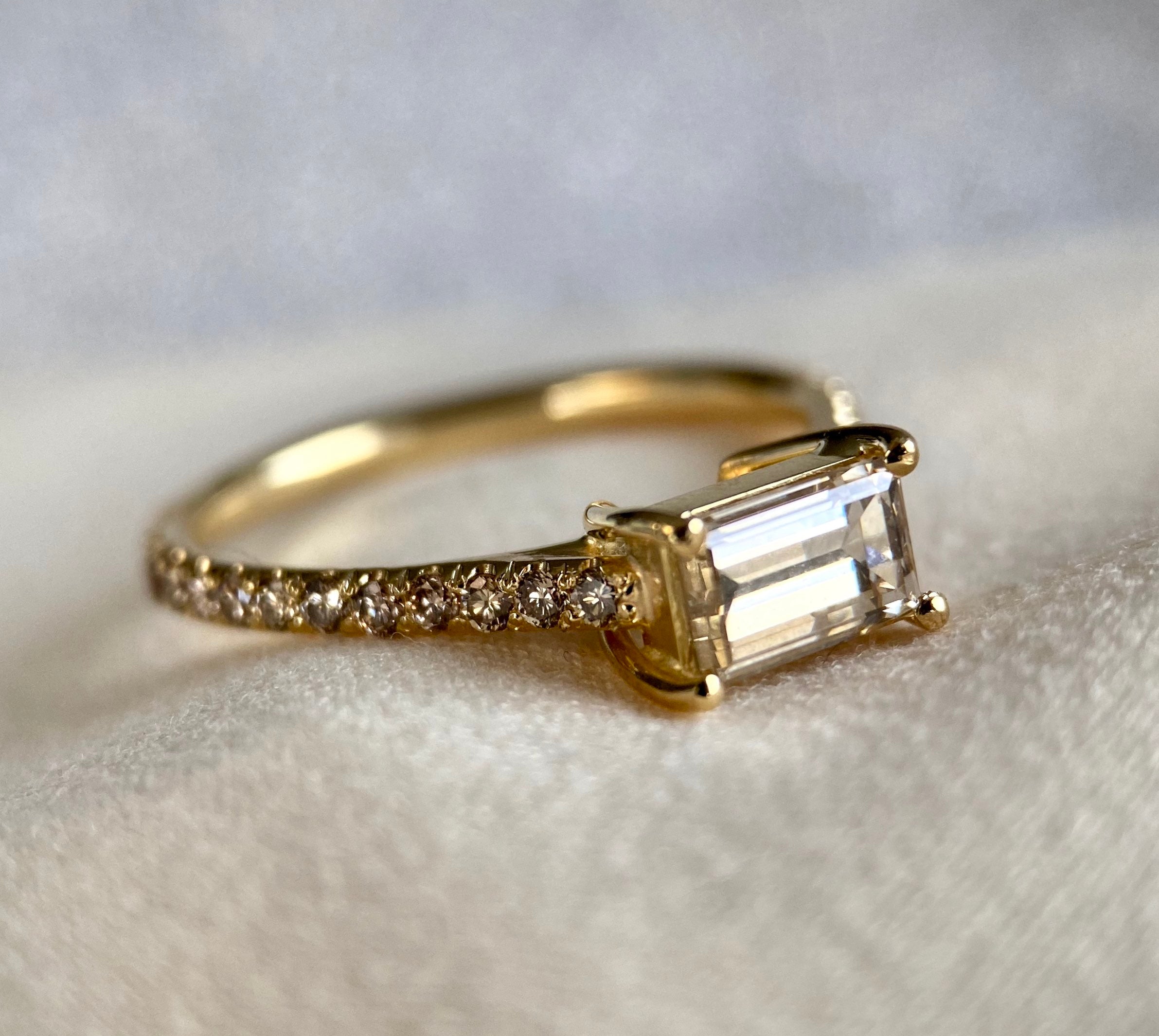
How to Prepare for the Engagement Season



Natural pink diamonds are undeniably among the most captivating and sought-after of all natural color diamonds. Their enchanting spectrum, ranging from delicate blush tones to intense, vivid hues, has enthralled collectors, investors, and jewelry enthusiasts worldwide. The closure of Australia's famed Argyle mine in 2020, once responsible for over 90% of the world's pink diamond supply, has only amplified the desirability and rarity of these exquisite gems.
Pink diamonds have captivated humanity for centuries, their soft yet powerful hue making them symbols of romance, passion, and elegance. While their precise origins in ancient lore are less documented than those of some other gems, their modern history is rich with intrigue and unprecedented valuations.
For a long time, pink diamonds were largely a mystery, surfacing sporadically from various global mines. It wasn't until the discovery of the Argyle Mine in Western Australia in the 1980s that a consistent, albeit limited, supply became available. Argyle quickly became synonymous with pink diamonds, producing an astonishing percentage of the world's supply and setting the standard for their vibrant colors. Its closure in 2020 marked a pivotal moment, further cementing the rarity and historical importance of these already scarce stones.
Several famous pink diamonds highlight their prestige and allure:
Culturally, pink diamonds resonate with themes of love, femininity, and sophistication. They're often chosen for significant celebratory jewelry, from engagement rings to heirloom pieces, due to their unique beauty and profound symbolism.
While the traditional 4 Cs (Color, Clarity, Cut, and Carat) are fundamental to evaluating any diamond, their relative importance shifts significantly when assessing natural pink diamonds. Color reigns supreme, with the other Cs playing supporting roles.
For pink diamonds, color is everything. The GIA grades fancy color diamonds on a spectrum of intensity, ranging from faint pink to fancy dark pink.
Learn more about the origin of natural color diamonds.
To help clients visualize the true beauty of each stone, Langerman has their own naming system that uses natural, descriptive names for its pink diamonds. These shades reflect the emotional tone and visual nuance of the gem, beyond technical grading.
A soft hue reminiscent of a pale spring blossom. This gentle pastel shade evokes purity and elegance, perfect for subtle, timeless jewelry.
A classic and balanced tone that sits at the heart of the pink spectrum. Neither too light nor too intense, it offers a harmonious blend of romance and refinement.
A rich, saturated pink with purplish undertones, exuding depth and vibrancy. This bold shade is striking and sophisticated, ideal for statement pieces.
A captivating hue that sits between a rose and deep red wine. It can feel both romantic and intense at the same time, giving a sense of sophistication and refinement.
A muted, vintage-inspired pink with brownish or dusty undertones. Elegant and understated, it carries a nostalgic warmth that feels both refined and timeless.
Clarity measures the absence of inclusions (internal flaws) and blemishes (external imperfections). While clarity is important, in natural pink diamonds, inclusions can be more "forgiving" compared to colorless diamonds. If the color is exceptionally rich and saturated, the vibrant hue can often mask minor imperfections, making them less noticeable to the naked eye. This means a pink diamond with a slightly lower clarity grade, but exceptional color can still be incredibly valuable and beautiful.
The cut of a pink diamond is designed not just for brilliance but crucially for enhancing and distributing its rare color. While classic brilliant cuts prioritize sparkle, fancy color diamond cuts often aim to deepen and intensify the hue. Cushion, radiant, and oval cuts are particularly popular for pink diamonds because their facet arrangements are excellent at trapping and reflecting color throughout the stone, making the pink appear more vibrant and saturated. A masterfully executed cut is essential to unlock the full potential of a pink diamond's color.
Carat refers to the diamond's weight. As with all rare gemstones, the rarity of natural pink diamonds increases significantly with carat weight. This means that even relatively small natural pink diamonds can command high prices due to their extreme scarcity. A 1-carat pink diamond is exponentially rarer and more valuable than a 1-carat white diamond of comparable quality. The combination of significant carat weight with high color intensity is exceptionally rare and results in truly extraordinary value.
As demand for pink diamonds continues to rise following the closure of the Argyle mine, buyers face a market where rarity and value make due diligence essential. Today, the greatest risk is not selecting the “wrong” shade of pink, but purchasing a stone whose colour is not natural, not permanent, or not properly documented.
Pink diamonds should only be purchased from established, well-known suppliers with a long track record in the natural diamond industry. Experience matters: long-standing specialists are far more likely to provide accurate information and stones that withstand scrutiny over time. In contrast, newer or less transparent sellers may expose buyers to unnecessary risk—particularly in a market where visual appearance alone is no longer sufficient.
Laboratory-grown diamonds can now be produced in pink hues and are increasingly present in the market. While lab-grown stones may look attractive, they represent a fundamentally different product with a completely different value profile. Without clear disclosure, buyers may unknowingly pay natural-diamond prices for a lab-grown stone.
For this reason, buyers should always:
Pink color can also be created or enhanced in natural diamonds through treatments such as irradiation and annealing, HPHT processes, or surface coatings. Treated diamonds can be visually appealing, but their value, stability, and long-term desirability differ significantly from those of natural-colour stones.
Any such treatment must be fully disclosed, and buyers should understand exactly what they are purchasing. Lack of transparency in this area is one of the most common sources of disappointment and value erosion.
An independent grading report from a recognised laboratory can offer buyers additional guarantees. For pink diamonds, the report must clearly state:
If no certificate is available, buyers can request one.
Natural pink diamonds are incredibly durable, ranking 10 on the Mohs scale of hardness, making them suitable for everyday wear. However, like all precious jewelry, they require proper care to maintain their brilliance and beauty.
Natural pink diamonds occupy a distinctive position in the world of gemstones, standing apart from both white diamonds and other fancy color diamonds due to their unique formation, extreme rarity, and captivating aesthetic.
In essence, a natural pink diamond is more than just a gemstone; it's a geological phenomenon, a piece of art shaped by unimaginable forces, and a truly unique expression of nature's beauty.
At Langerman Diamonds, we bring over 50 years of unparalleled expertise and passion to every diamond we offer. Whether you are acquiring a pink diamond for a cherished collection, as a momentous gift, or as a future family heirloom, our personalized service and exceptional inventory will guide you to find the natural pink diamond that is truly right for you.
View our collection of Natural Pink Diamonds or get in touch with our expert team today for personalized assistance.
Select pink diamonds include:


