


 New In
 Polished Diamonds
 Diamond Sets
 Melee Diamonds
 Rough Diamonds


Fri, Jan 13, 23
How to Prepare for the Engagement Season


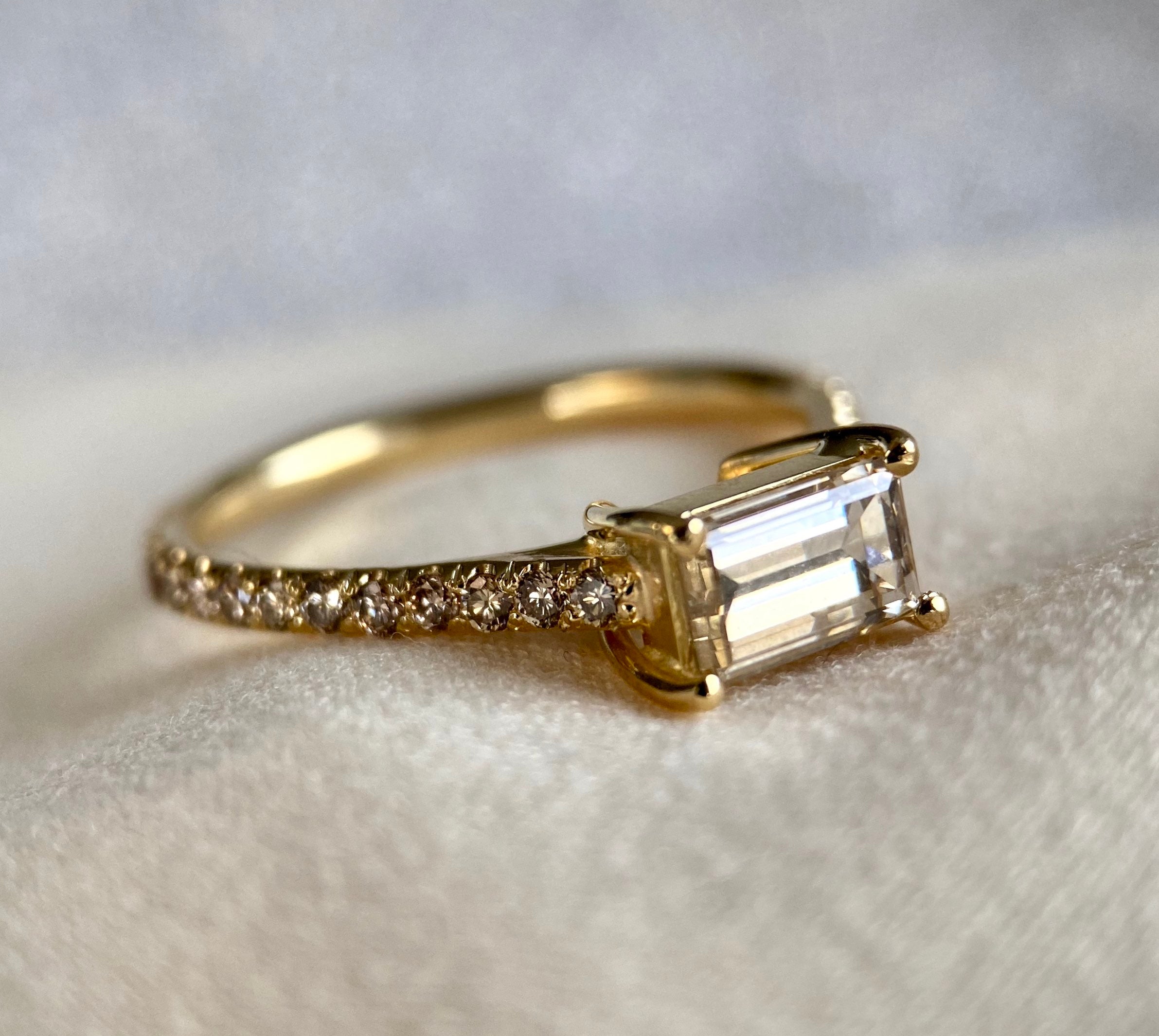
The question “How much does a color diamond cost?” sounds straightforward. In practice, diamond prices have many variables. There is no single diamond price, and there is certainly no fixed price for every diamond of the same color.
Natural color diamonds are individually valued. Two stones that look broadly similar at first glance can command very different prices because of their hue, color intensity, secondary colors, carat weight, clarity, cut and provenance. Rarity also varies dramatically across the spectrum. A brown or yellow diamond may offer an accessible introduction to natural color, while an intensely saturated pink or blue diamond can belong to an entirely different part of the market.
This guide explains how diamond prices differ by color, using examples from Langerman Diamonds’ current collection to show the breadth of the market. These prices provide an illustrative guide rather than fixed valuations. Stock changes regularly, Langerman prices exceptional stones on request, and its experts assess every diamond individually.
The familiar 4Cs – color, carat, cut and clarity – all matter, but their order of importance changes for natural color diamonds. Color usually leads the assessment.
Gemological laboratories describe a stone’s dominant hue, any modifying colors and the strength of its color. Increasing intensity can create a substantial price premium, particularly within rare hues. A small Fancy Vivid stone may therefore be worth more than a larger diamond with a lighter or less desirable color.
The principal pricing factors are:
For that reason, “price per carat” is best used to compare genuinely similar stones, not as a universal rate for an entire color.
The Fancy Color Research Foundation’s Fancy Color Diamond Index provides a broader view of price movements than a retailer’s currently visible inventory. The index tracks pricing data for yellow, pink and blue fancy color diamonds across major trading centres in Hong Kong, New York, Geneva and Tel Aviv.
In the second quarter of 2026, the overall index declined by just 0.1%, which the FCRF characterised as an effectively stable market. Over the preceding 12 months, the index declined by 0.5%. These limited movements suggest selective adjustments within particular segments rather than a broad rise or fall across the market.
Results differed by color:
The underlying results also show why a single average cannot explain the price of an individual diamond. Fancy Vivid diamonds increased by 0.2% during the quarter, while Fancy diamonds were unchanged and Fancy Intense diamonds declined by 0.3%. Performance also varied by size: three-carat diamonds rose by 0.5%, two-carat diamonds by 0.3% and 1.5-carat diamonds by 0.2%, while one- and five-carat diamonds were unchanged and 10-carat diamonds declined by 1.1%.
The longer-term figures provide additional context. Since the FCRF began collecting data in 2005, its overall index has risen by 202.1%. Over the same period, the index recorded increases of 389.8% for pink diamonds, 239.5% for blue diamonds and 47.0% for yellow diamonds. This is historical market data, not a forecast of future performance.
These results reinforce an important point: color category alone does not set a diamond’s price. Market performance can differ according to hue, intensity and carat size, while the value of a specific stone also depends on its modifiers, clarity, cut, provenance, grading and visual appeal. The FCDI is therefore useful for understanding wider market direction, but it should not be used as a valuation for an individual diamond. It also covers yellow, pink and blue diamonds rather than every natural color category.

Natural yellow diamonds occupy one of the broadest segments of the fancy color market. Nitrogen creates their color, which can range from delicate vanilla tones to strong Canary yellow.
Two yellow diamonds of similar weight can command very different prices. This difference reflects their complete combination of intensity, hue, clarity, shape and overall desirability rather than a small variation in carat weight.
Lighter and modified yellows can provide an approachable route into natural color diamonds. Fancy Intense and Fancy Vivid yellows generally occupy higher market positions, especially when their color appears rich, even and free from less desirable modifiers.
Natural brown diamonds span warm Champagne, Cognac, Coffee and Chocolate tones. Because brown occurs more frequently than blue, pink or green, these diamonds can often provide more carat weight for a given budget.
Rich saturation, an attractive undertone and a cut that brings the stone to life can all increase its desirability. Brown diamonds do not form one uniform value category: a beautifully balanced Cognac diamond can be considerably more desirable than a dull or unevenly colored example.
Natural black diamonds are opaque. Dense inclusions and internal structures that absorb light commonly produce their appearance, so their pricing differs from that of transparent fancy color diamonds.
Natural origin remains crucial when comparing black diamonds. Treated black diamonds are widely available and generally cost considerably less than diamonds whose black appearance formed naturally.
Natural blue diamonds are among the rarest diamonds in the world. Their color is commonly linked to trace amounts of boron, and the category spans pale Sky Blue stones through stronger blue and Indigo shades.
Even small blue diamonds can command substantial prices. Hue purity, intensity and size exert a powerful influence: a stronger blue without gray or green modification will often command more than a lighter or heavily modified diamond of comparable weight.
Natural pink diamonds continue to attract strong international collector demand. Supply became more constrained after Australia’s Argyle mine, historically an important source of pink diamonds, closed in 2020.
Pink diamonds weighing considerably less than one carat can command higher prices than larger diamonds in more widely available colors. Baby Pink, Rose, Raspberry and purplish or brownish pink diamonds do not all trade at the same level. Intensity, modifying colors and provenance can prove decisive.
Natural green diamonds acquire their color through natural radiation interacting with the crystal lattice. Confirming that a green diamond’s color formed naturally can require particular gemological care, making a respected laboratory report especially important.
Secondary yellow or gray hues can make a green diamond more accessible. A convincingly natural diamond with even and strongly saturated green color can enter a much rarer price category.
Natural orange diamonds range from softer Apricot tones to fiery Pumpkin and pure orange.
Many orange diamonds contain yellow, brown or pink modifiers. Pure orange is considerably scarcer, so two diamonds casually described as “orange” may have very different laboratory grades and values. Buyers should compare the complete color description rather than the headline hue alone.
Natural purple diamonds include Lavender, Lilac and Violet shades. They are rare in nature and frequently appear with pink, gray, brown or red modifiers.
As with blue and pink diamonds, a small purple diamond with strong, attractive color can be more valuable than a larger but less saturated example.
Natural gray diamonds occupy an unusually varied category. Silver, charcoal, bluish gray and violet-gray diamonds can have very different levels of rarity and demand.
Fancy white diamonds should not be confused with conventional colorless diamonds. Their desirability comes from a translucent, milky or opalescent appearance caused by light scattering within the stone. Because their appearance and structure vary so widely, meaningful price comparisons require close visual and gemological assessment.
Chameleon diamonds temporarily change color after heating or spending time in darkness. The grading report records the stable color, while this unusual color-change behaviour adds collector interest. Prices depend on the diamond’s base color, the strength of the change, its size and overall rarity.

Red diamonds are generally regarded as the rarest natural color diamonds and can achieve extraordinary prices when important examples reach the market. Blue and pink diamonds also sit among the highest-value categories, followed by exceptional green, purple and orange stones.
That hierarchy is only a guide. A weakly colored diamond in a rare hue will not automatically be worth more than an outstanding vivid diamond from a comparatively broader category. The market values the exact stone, not a color name in isolation.
Natural color diamonds combine finite geological supply with international demand, durability and portability. Historical market reporting has shown long-term appreciation in selected categories, particularly exceptional pink and blue diamonds. Mine closures and the absence of easily replaceable supply have also strengthened the scarcity argument.
However, no diamond should be presented as a guaranteed investment. Past market performance cannot promise a future return, values can rise or fall, and a private owner may face dealer margins, insurance, certification and resale costs. Diamonds are also less liquid than publicly traded assets: selling the right stone at an appropriate price may take time.
For a buyer considering long-term value, quality and documentation matter. Prioritise natural, untreated color; rarity within the specific color grade; attractive appearance; and advice from a specialist who can explain comparable stones. Buy a diamond you would also be happy to own, wear or collect if its market value did not move as expected.
Some are, but not all. Rare natural pink, blue, green and red diamonds can cost much more than comparable colorless stones. Brown, black and some yellow diamonds may offer more accessible options. Natural origin and treatment status must always be confirmed before comparing prices.
They may have different intensity grades, secondary colors, carat weights, clarity, cuts or certification. One may also possess rarer provenance or a more attractive face-up appearance. A broad color label does not capture the features that determine an individual diamond’s value.

Begin with your preferred color and budget, then compare diamonds that are genuinely alike. Look at the complete color grade, not merely “pink” or “green”. Review carat weight alongside face-up dimensions, understand whether the color is natural and untreated, and ask how the cut supports the hue.
Certification is important, but it cannot replace seeing the diamond. Natural color contains nuance that a short grading description cannot fully convey. Video, photography under controlled lighting and guidance from an experienced specialist can help you judge whether the stone’s appearance justifies its price.
Langerman Diamonds has specialised in natural color diamonds for more than 50 years and has assembled a collection spanning more than 300 recognised colors. Explore all natural color diamonds or contact Langerman Diamonds for advice on comparing stones within your preferred color and budget.
Prices referenced in this article were observed in August 2026, are shown in US dollars and may change as inventory is sold or updated. This article provides general information only and does not constitute financial or investment advice. Diamond values can rise or fall, and past performance does not guarantee future results.